
Best overall
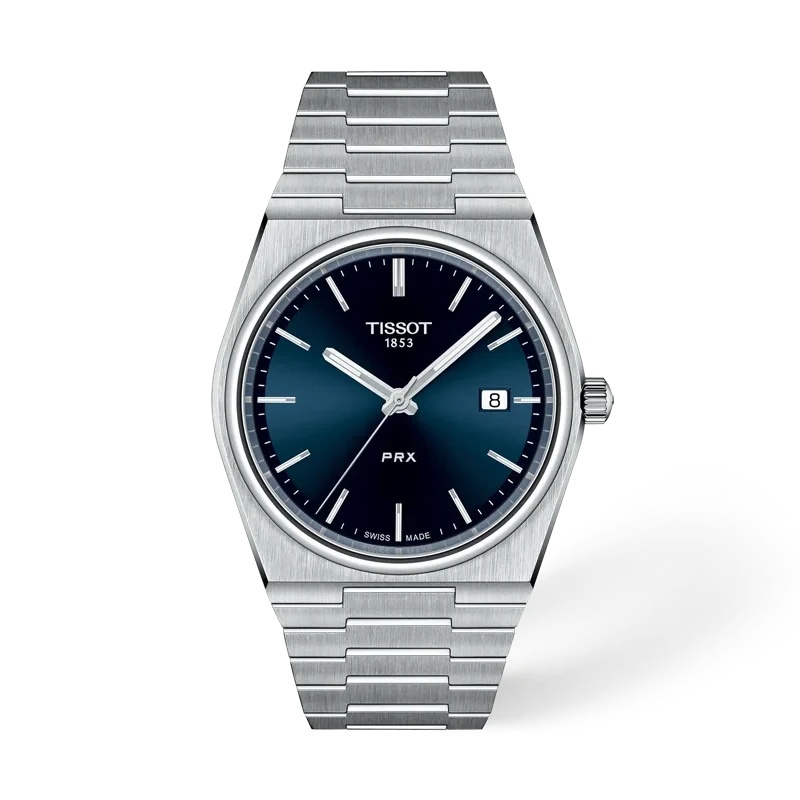
Tissot PRX QuartzT1374101104100Tissot PRX QuartzT1374101104100
A quartz bracelet watch with a simple daily routine.
Check the full bracelet span.
View at Tissot Read the watch guideCompare exact references; check the seller’s current price, warranty and return terms.
A quartz bracelet watch with a simple daily routine.
Check the full bracelet span.
View at Tissot Read the watch guide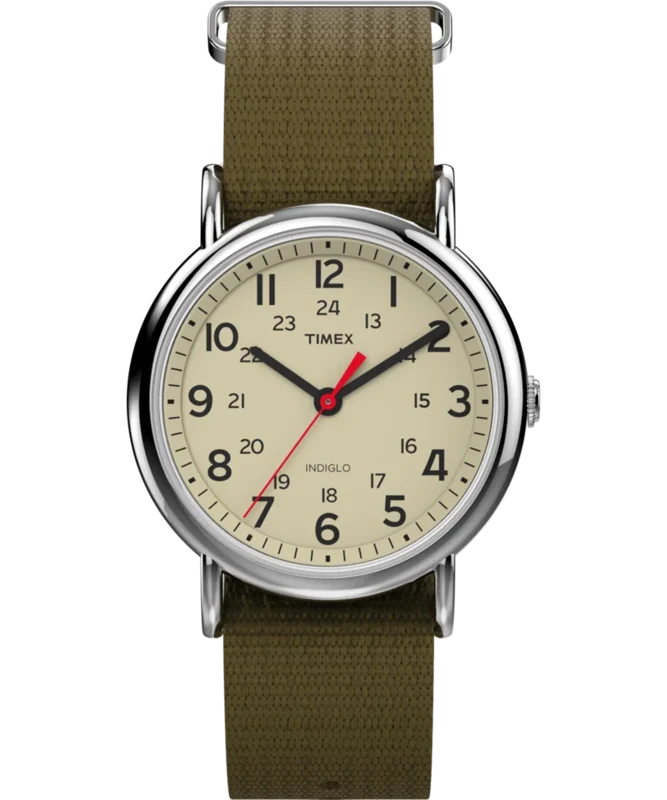
A 38 mm analog dial with Indiglo lighting on fabric.
Plan for eventual battery service.
View at Timex Read the watch guide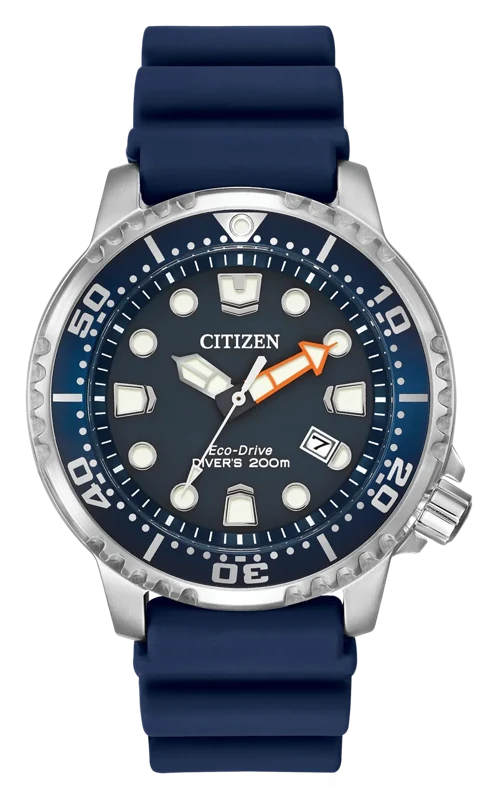
A light-powered diver that skips manual winding.
Check the broad 44 mm case fit.
View at Citizen Read the watch guide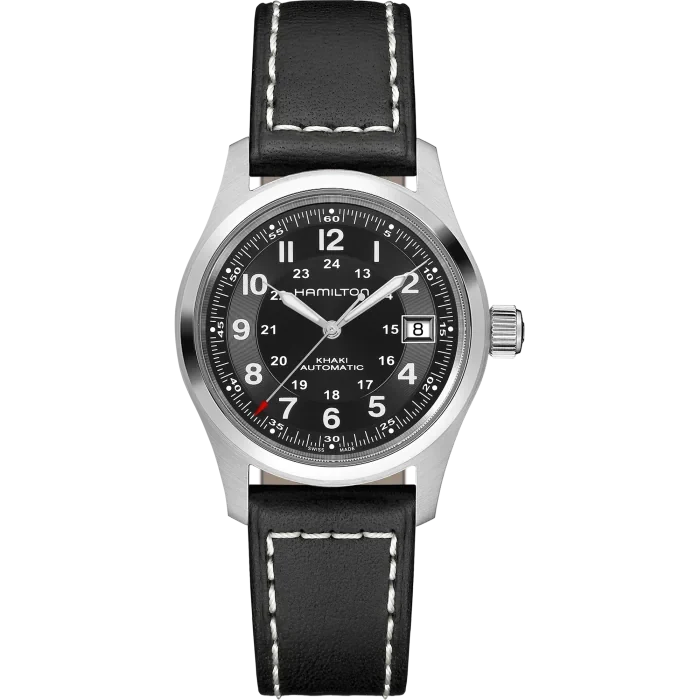
A 38 mm field watch with an 80-hour power reserve.
Leather needs care around water.
View at Hamilton Read the watch guide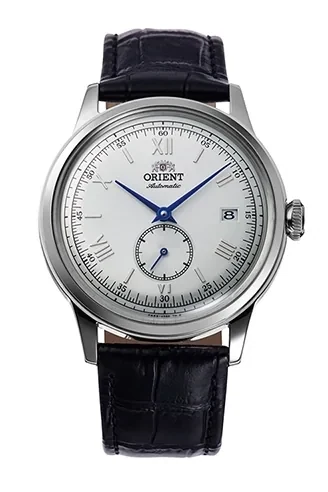
A smaller leather-strap automatic with small seconds.
Allow for winding and setting.
View at Orient Read the watch guideThe best watches under 1000 should suit the way you wear a watch, fit your wrist and come from a seller whose terms you understand. Start with the task rather than a brand ranking. A daily watch, an occasional dress watch and a watch documented for diving can need different features.
Start with the exact reference, then compare its power routine and fit. The buying checks below explain what to look for in the maker’s facts and the seller’s terms. A family name alone cannot settle those details for every watch in the range.
The price ceiling applies to the exact watch and offer. A family may contain different movements and sizes, with more than one band option. A price attached to one version cannot make every version eligible. A product at or above the ceiling leaves the eligible picks. A past price cannot keep it in the list.
Facts and judgments have separate jobs. The maker’s page can state case width or movement. A manual can tell you how to wind and set it. A judgment about who it suits follows from those facts and a stated task. It should not pretend to be a wear test.
This site uses published facts and manuals. It does not claim that the watches were worn, pressure-tested or timed here. If a checked source does not state a useful fact, it stays unknown. A missing measurement does not become zero. It does not make a watch better than one with a stated limit.
Write one sentence about what you need the watch to do. You may want it for quiet office wear or clear time reading on walks. You may want a simple watch for formal events. If water use is part of the task, state the activity. A sports-style dial cannot decide that permission for you.
Then write the routine you are willing to keep. An automatic can stop between wears. A hand-wound movement needs crown winding. Quartz needs its specified electrical supply, and solar quartz needs suitable charging. Read the exact manual for any of these systems.
Decide whether you want a bracelet or strap. Plan how you will check fit. If the watch is a gift, ask about the recipient’s habits. They may want a watch ready after weeks in a drawer, rather than a movement that needs a reset. Clear return terms can matter more than an extra feature.
An automatic is a mechanical watch that adds winding through wrist motion. Its mainspring stores power, so it can run after you take it off. Once that reserve ends, it stops. Check its stated reserve and rate on their own. Check whether it permits hand winding too.
Hand-wound mechanical watches use a spring too, but rely on crown winding. Read the stopping instructions for the exact caliber. A winding habit from an automatic may be wrong for a hand-wound movement. Do not force a crown because a forum says another watch never reaches a stop.
Quartz keeps time with an electronic circuit. It is usually the place to start for close time and low daily effort. Solar quartz is still quartz; light charges its power store. A solar label does not remove the need to read the manual. Nor does a rotor let you ignore the startup steps.
Use what is an automatic watch to learn the mechanism. The automatic vs mechanical comparison clears up shop labels. The automatic vs quartz guide compares the day-to-day tasks.
Before starting a stopped watch, read how to wind an automatic watch. Match the steps to its caliber and check whether it allows hand winding.
A reference code names a version more clearly than a family name. Similar dials can hide a different movement or case size. The band may differ too. Keep the complete code on your sheet and match it to the maker’s page. Do not shorten it until two versions look the same.
Check the listing photographs against the description. A stock image may show another band or dial. Ask the seller about any mismatch before ordering. A familiar brand name cannot fix uncertainty about which watch will arrive.
The same rule applies to reviews. A review of a large automatic should not supply sizes for a small quartz version. Keep each fact tied to the watch it describes. A source about a whole family can give context. It cannot prove every numeric claim for each watch in that family.
Case width is only one dimension. Thickness affects cuff clearance. Lug span affects how far the case reaches along the wrist. A bracelet’s rigid end sections may extend farther still. Keep those figures in separate fields so a short case-length number does not masquerade as a small total span.
Try the complete watch if possible. Move your hand and check whether the crown presses into it. Look at where the strap or bracelet starts to bend down. A watch that looks balanced in a front photograph can sit very differently on a real wrist.
If you cannot try it, compare stated sizes with a watch you already like to wear. Ask for the missing span and how it was measured. Read the return terms before sizing a bracelet. A rule based only on distance around your wrist cannot promise the result.
The PRX sizing reference and worksheet shows how to preserve these distinctions. It uses your measured width and span for a limited subtraction. It does not invent an unpublished bracelet span or promise comfort from a positive result.
Look at the hands against the dial, not just the dial color. You should be able to distinguish the minute hand quickly. Glare, crowded text and similar hand lengths can make a handsome watch harder to read. A larger case does not automatically solve those problems.
Luminous material needs careful claims. A maker may name the material, but that does not establish a measured brightness or duration. A bright promotional image is not a controlled lume test. This site does not turn a material name into a guarantee of all-night readability.
For formal or office wear, think about how much information you actually use. A date or second time zone can be useful. It can also add setting work or dial clutter. Buy the function because it helps your task, rather than because a longer feature list looks more impressive.
Do not infer diving permission from a rotating ring or a large meter number. The exact maker’s activity chart and reference description matter. A dive-style watch can borrow the look without the same documented use. A screw-down crown is one part of a case, not a certificate on its own.
Seiko’s water-resistance guidance separates ordinary ratings from diver’s-watch categories. It also explains that resistance can decline with aged seals or damage. The original rating does not prove the sealing condition of a watch today.
Start with what is a dive watch if the wording is unclear. For the common elapsed-time ring, the dive-watch bezel guide shows a dry-land reading exercise. A timing watch does not measure breathing gas or replace a dive computer.
Dress, field and everyday are useful shopping descriptions, but each covers many watches. A thin-looking case can still sit high on the wrist. A field-style dial can be clear without being an issued military instrument. A bracelet sports watch can suit office wear without being suitable for every water activity.
Keep historical claims attributed. A maker’s wider military history does not establish the status of every current watch. A modern civilian design may borrow old details without a contract or issue claim. Performance statements need evidence for the exact reference.
Read what is a field watch for the design cues and limits. Choose the style you want, then check its actual dimensions and manual. That order avoids paying for a story when the watch itself does not suit your daily task.
Check who sells the exact watch and who handles a problem after delivery. A maker warranty and a seller warranty are different promises. Ask which applies, what documents you need and where the watch would go for service. Do not assume a brand storefront banner settles the identity of every seller.
Read return terms before sizing or wearing the watch extensively. Check the deadline, condition requirements and process for a wrong or damaged item. Keep the order record and any written answers. A good specification match can still become a poor purchase if the seller terms do not work for you.
This site does not promise authenticity from a photograph or a price. If the listing’s identity is uncertain, leave that question open. A bargain is not useful when the exact version is unclear. Condition and warranty need their own checks. Do not add a watch just to fill a category.
The product ceiling concerns the eligible new-watch offer. It does not establish your final checkout total or future upkeep. Tax, delivery and any separate accessories need their own checks. Do not read an under-ceiling label as a promise that every cost is included.
Service costs vary with the movement and work needed. Get a quote for the exact reference rather than assuming a flat lifetime amount. A battery replacement, seal check and full mechanical service are different tasks. A strap replacement can be separate again.
Set aside room in your decision for those unknowns. This guide makes no resale or investment-return promise. Choose the watch because its present use and ownership routine make sense. Uncertain future demand should remain uncertain rather than subsidizing the purchase in your head.
Two watches in different collections can share a caliber while differing in case and permitted use. Two watches in the same collection can have different power systems. Collection-level rankings often hide those distinctions. A useful comparison starts with complete codes and the fields that decide your task.
The Seiko 5 vs Prospex comparison uses exact examples to show that problem. The Citizen Tsuyosa vs Tissot PRX comparison keeps unreported fit dimensions visible. The PRX quartz vs automatic guide compares matched sizes and different power routines.
These pages compare published facts without choosing a live offer. Treat them as decision aids rather than proof that a particular listing is available or under budget now. The final offer check belongs to the exact version and seller at the time of purchase.
Put the exact reference at the top of each record. Keep the source link beside it so you can find the same version again. Leave a line for the date checked. If you later find a better source, keep its field name clear rather than mixing two different measurements in one cell.
Use one row for the task the watch must suit. Write what would make you reject it. That could be a rigid span you cannot wear, a dial you find hard to read or a winding task you do not want. A stated drawback is useful when it is the drawback that would stop you wearing the watch.
Keep the seller record apart from the watch facts. The same watch can appear from more than one seller with different terms. Record who would take a return and who would handle a warranty claim. Do not let a low offer price overwrite a gap in either answer.
Before you buy, read your sheet once from top to bottom. Ask which fields came from the maker, which came from the seller and which are your own preferences. A blank can be an honest reason to wait or ask a question. You do not need to fill every cell to make a good choice.
Manufacturer reference pages establish specifications. Caliber manuals establish operating instructions. The guide text distinguishes those facts from judgments and unknowns. Hamilton’s movement guide and Citizen’s manual finder are useful starting points, but an exact product claim still needs its exact source.
If you find a mismatch, use the contact page and name the affected page and exact reference. Include a source link and the field you think is wrong. The About page explains the publication’s source-led method and its limits.
No. Quartz may better suit a buyer who wants close timekeeping and little daily effort. Automatic may suit someone who wants the mechanical experience and accepts its routine. Compare the exact movement and case, then choose for your use. A movement label alone does not establish quality or comfort.
Only if the watch’s documented features and fit justify it for you. A higher spend does not automatically solve a poor fit or an unwanted winding routine. Check seller terms and any separate costs too. This site makes no investment-return claim that would turn uncertain future resale into a reason to overspend.
No. A family can include different sizes and movements, with more than one band. Match the complete reference to the maker’s page and the seller’s listing. Do not transfer a price or measurement to another version without evidence. Ask about unclear photographs or codes before treating the listing as an exact match.
Use it with the exact maker’s activity guidance and the watch’s condition. A number alone does not establish permission for every water activity. Seals can age and parts can suffer damage. Check inspection guidance after case work, and leave water use unresolved if the documentation or present sealing condition is unclear.
No. These guides use published specifications and manuals. They do not claim wrist trials, pressure tests or measured accuracy results. Each comparison should identify its sources and keep unknown facts explicit. A comfort judgment or current merchant offer requires evidence beyond a maker’s general description of the watch.
The best watches under 1000 for your shortlist should pass four separate checks. Confirm the exact version and your ownership routine. Check fit and seller terms too. Keep the price ceiling strict and unknown facts open. A shorter list with sound evidence is more useful than a full ranking built from assumptions.
Compare the Citizen BN0151-09L solar diver's charging routine, case, strap and water-use limits with its published sources.

Learn how an automatic watch stores power, why it can stop, and what to check in its manual before winding or setting it.

Separate a documented diver's watch from marine styling, and learn what a pressure rating, bezel and standard can actually establish.

Compare a solar Citizen on a strap, a smaller quartz Seastar and a titanium Citizen on a bracelet using exact maker specifications and clear water-use limits.

Recognize field-watch design without mistaking a military look for a performance standard. Check legibility, movement, case fit and water-use limits.

Compare the Orient Bambino Small Seconds, 35 mm Tissot PRX automatic and Braun BN0032 by dial layout, band, power routine and cuff fit.

Compare the Hamilton Khaki Quartz, Hamilton Murph and Vaer S5 Calendar Field by movement, case shape and supplied straps.

Compare the Hamilton H70455733 by winding routine, case dimensions and leather strap, with a clear reason to choose it and a practical fit check.

Compare four exact Hamilton Khaki Field picks: Murph, Quartz, Automatic and Mechanical, with their winding routines, case sizes and strap trade-offs.

See who the Hamilton H69439933 suits, with its hand-winding routine, canvas strap and case dimensions kept separate from water-use assumptions.

See who the Hamilton Murph H70405730 suits, with a source-led look at its movement, case, leather strap and ownership trade-offs.

Compare the Hamilton H69401930's quartz routine, thin case and textile strap with the trade-offs that matter for everyday wear.

Compare the plain-dial Braun quartz watch, Vaer quartz field watch and Boderry titanium automatic by case shape, supplied band and ownership routine.

Compare exact PRX dimensions and use a printable wrist-width worksheet without mistaking Tissot's case length for effective bracelet span.

Read a source-led review of the 35 mm Tissot PRX T1372071104100, including its automatic movement, bracelet and sizing limits.

Compare two exact blue-dial Tissot PRX references by movement, case dimensions and bracelet fit, using the maker's published data.
Compare the Seiko SSK025 case, leather band and 4R34 setting routine, including which hand adjusts and what that means for second-zone use.

Check the Seiko SRPD55 case, bracelet and 4R36 routine, with clear limits on what its rotating bezel and dive-style design establish.

Choose between the Timex Weekender and Casio F-91W by case shape, strap and daily tasks, using exact-reference specifications.

Choose a first watch by comparing a quartz PRX, automatic Murph and solar Citizen diver, then check the exact case, band and care routine.

Compare three Casio digital watches by band, controls and everyday use, with a clear reason to choose each and a trade-off to check first.

Compare the Vaer S5 Calendar Field and Timex Weekender by case shape, controls and supplied straps, with clear limits beside each pick.

Compare the Tissot PRX quartz, Orient Bambino Small Seconds and Vaer S5 Calendar Field by movement, fit and supplied band.

Compare the 35 mm Tissot PRX automatic, 36 mm Bertucci A-1S Aero quartz watch and rectangular Casio F-91W by display, band, power and fit limits.