
2 Best Watches Under 100: Fabric or Digital in 2026

On this page8
- #1. Timex Weekender T2N651: start with a fabric strap
- #2. Casio F-91W-1: keep the digital functions in view
- How we picked the best watches under 100
- Factors to consider when choosing between these watches
- What the specifications can and cannot tell you
- A purchase check for the exact reference
- When to choose a different movement
- Verdict on the best watches under 100
Our top 2 picks
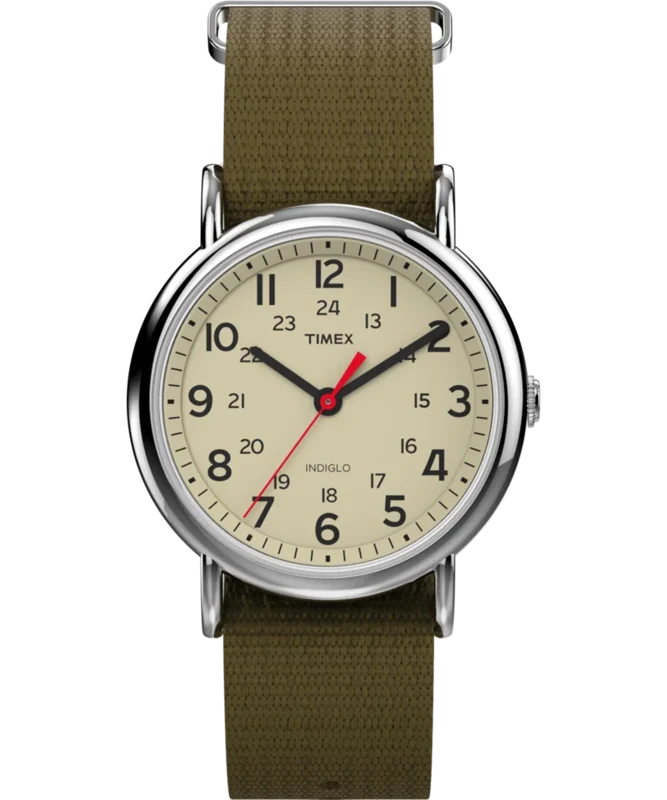 1Fabric-strap analogTimex Weekender T2N651
Choose this Weekender for its fabric strap and Indiglo dial light, but check that its 38 mm case and casual design suit your use.
View at TimexRead our analysis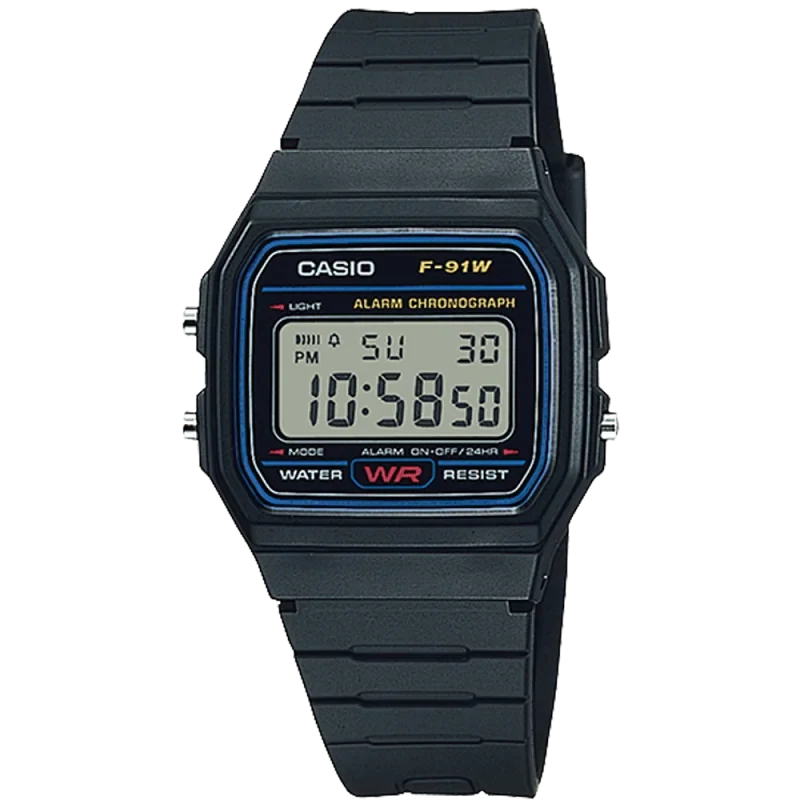 2Simple digital choiceCasio F-91W-1
Start here for a small digital watch with an alarm and stopwatch, but check the display and button layout in person if possible.
View at CasioRead our analysis
Last updated 31 October 2026
The best watches under 100 can look very different on the wrist. The Timex Weekender puts an analog dial on a fabric strap. The Casio F-91W uses a rectangular digital display. This selection compares these two routes so you can start with the one that fits your normal day.
#1. Timex Weekender T2N651: start with a fabric strap
Our verdict:
Fabric-strap analog
Choose this Weekender for its fabric strap and Indiglo dial light, but check that its 38 mm case and casual design suit your use.
View at TimexKeep in mind: It needs eventual battery service; the fabric strap is a distinct choice from a steel bracelet.
The Weekender is the first place to start here if you want a traditional analog display and a fabric band. This exact T2N651 reference has a cream dial and an olive strap. That gives it a casual character without turning the style into a claim about outdoor performance.
Timex's US page lists a 38 mm case, quartz power and its Indiglo dial light. The light is a specific reason to consider this watch if you want an illuminated analog dial. It is different from choosing hands with luminous paint. It does not give this page a measured result for brightness or night-time reading.
The fabric strap is part of the watch's fit. When you try it, look at how the case sits above the band and how the spare material is held. Check that the setting you want lines up with a hole. A band can be long enough to close yet still leave the case looser than you prefer.
This is the round analog watch in this group; the other uses a rectangular digital display. That fact alone does not make it a better fit. The lugs and the way the strap passes under the case affect its position too. Use the case width as a starting figure, then check the whole watch with your wrist bent and your sleeve down.
Choose the Weekender when you like the supplied fabric and want the dial light. Choose another route if a steel bracelet is central to the look you want. Do not plan a strap change around a broad claim that any fabric band fits. Confirm the attachment and width for the exact reference first.
Quartz power means you do not need a mechanical winding routine. The battery will need service eventually. If you only wear the watch on some days, that routine can suit you better than resetting a stopped automatic. It remains a preference about ownership, not a test result that one movement is better for everyone.
#2. Casio F-91W-1: keep the digital functions in view
Our verdict:
Simple digital choice
Start here for a small digital watch with an alarm and stopwatch, but check the display and button layout in person if possible.
View at CasioKeep in mind: Its basic water-resistant description does not make it a swim or dive recommendation.
The F-91W-1 is the most direct choice here if a digital display is the feature you want. Its supported functions include a daily alarm and a stopwatch. Those functions can matter more than the look of a large analog case. Choose it because you expect to use them and like the layout.
Casio's specifications describe a resin case and band. The rectangular case is 38.2 mm long, 35.2 mm wide and 8.5 mm thick. Do not compare its width to the Weekender's round case as if they describe the same shape. The display also occupies a different share of the face.
Its light is an LED feature, while the Weekender uses Indiglo for its analog dial. This page does not rank their real-world brightness or make a night-vision claim. If light use matters to you, compare the controls and what each illuminates. A named light system does not establish how you will read it in your own room.
The alarm and stopwatch have controls to learn. Try setting a reminder and clearing a short elapsed-time result where possible. Confirm which mode the watch is in before relying on it for a task. If you find a plain pair of hands more natural to read, the added functions may not offset that display preference.
This Casio has a basic water-resistant description. It is not recommended here for swimming or diving. Keep that limit beside the recommendation rather than assuming that every resin digital watch is made for the same water use. Choose an exact reference with the documented permissions you need if water is part of your brief.
How we picked the best watches under 100
The selection covers two distinct daily uses: a fabric-strapped analog and a resin-band digital. The sources are current maker information and exact-model catalog records. We compared published case information and supported functions. No watch was worn or timed for the page, and no durability or water test forms part of the verdict.
The Weekender leads as a general analog starting point. The F-91W serves the digital-function brief. This order is not a quality score. It gives you a route into the comparison, while the limitation beside each pick tells you when to choose something else.
Factors to consider when choosing between these watches
Decide which task the watch must perform
Begin with the reason you want it on your wrist. If that reason is reading an analog dial on a casual band, look at the Weekender first. If it is using a daily alarm without taking out another device, look at the digital Casio.
Be specific about timing functions. A dial light, a digital stopwatch and a daily alarm are different functions. One does not automatically replace another. Read the control instructions for the task you plan to do. Avoid treating the word sport on a listing as a complete function description.
Compare the shapes on paper before a fitting
Write the maker's dimensions down with their labels. Keep width separate from length and thickness. For the rectangular Casio, preserve that order rather than calling every figure a diameter. Those checks help you compare like information before deciding what to try.
A paper outline can help you understand a footprint, but it cannot reproduce the case's curves or the way the band bends. Use it as an early filter, not a fit guarantee. The final check still needs the complete watch in a normal wearing position. A shape that looks small on a desk can sit differently once the strap is under it.
Make the strap part of the fitting
The Weekender's fabric is the key material difference in this group. The F-91W uses a resin band. Check each buckle position and the way the band exits the case. A material name does not establish an adjustment range.
Fasten the watch without pulling it tighter just to make the case appear centered. Turn your palm up and down, then move the wrist through a normal range. Note whether the case shifts to one side or presses into your hand. This tells you about your fit preference, rather than proving a defect in the watch.
Keep a useful dial light separate from a glow claim
The Weekender and F-91W have named lighting features. That makes them worth comparing if you need to read a watch in low light. It does not establish an equal area of illumination or an equal result for every wearer. Check where the control sits and whether you can use it as intended.
Luminous hands are a separate feature from a dial light. Do not assume that a luminous surface glows for a particular number of hours without a defined test. A bright photograph may show a freshly charged surface under chosen conditions. This guide uses the documented feature names without turning those images into a performance measurement.
Choose the look for the clothes you wear
The Weekender's fabric and analog dial give it a different visual role from the resin-band digital F-91W. Think about the clothes and sleeves you wear on an ordinary day. The most useful comparison is often whether the whole watch looks and feels right with those clothes.
There is no need to force one watch to match every occasion. If your main need is a quiet-looking dial for work, start with that brief. If you want a digital alarm for a regular routine, keep it central. Choose the job you have now rather than collecting features for a hypothetical use that does not interest you.
What the specifications can and cannot tell you
Published dimensions help describe a case. They cannot tell you how a strap will feel after a full day or whether you will like the way the dial reflects a window. A listed crystal material does not make a watch immune to damage. A water-resistance figure does not establish the condition of a watch after a knock.
This guide makes no measured claim about daily timing rate or long-term reliability. Those questions need a defined test or suitable service evidence. Keep that boundary in mind when you compare a published specification with an owner's account. They are different kinds of information and may describe different references or conditions.
The source-led approach is useful because it keeps the choice tied to a model you can identify. It also leaves some questions open until you handle the watch. Be willing to leave those questions open. A clear unknown is more useful than a confident fit promise based on one photograph.
A purchase check for the exact reference
Before ordering, match the model code and supplied band to the offer. Check that the Weekender is T2N651. For the resin-band Casio, check F-91W-1 rather than a similar-looking collection name. If a listing mixes photographs or model codes, ask which watch will actually be supplied.
Read the seller's return conditions before sizing or changing anything. A strap change can make a new watch look more appealing, but it should not be your first response to a case that does not fit. Check the watch as supplied first. Keep the included parts and documents until you know you want to keep it.
Ask who handles warranty service and what proof they need. The existence of a maker warranty does not establish every seller's status. Keep the order record with the reference details. If a problem appears later, that information is more useful than a screenshot of a broad collection title.
When to choose a different movement
Both picks use quartz power. They suit a comparison centered on display and physical design without adding a mechanical winding routine. Battery service remains a future task, and the exact instructions govern it. No battery-life estimate establishes the remaining life of an individual watch before you receive it.
If the appeal of a watch is winding a spring or seeing an automatic mechanism, start with that preference instead. Our automatic-versus-quartz explanation covers the ownership difference. A feature you want to enjoy should be part of the choice from the start, rather than something you wish a quartz watch would turn into later.
Verdict on the best watches under 100
The best watches under 100 in this group answer different briefs. The Weekender fits the fabric-strap brief and adds an illuminated analog dial. Pick the F-91W for digital time with the alarm and stopwatch. Check the exact model and the whole case on your wrist before settling on any of them.
The case shape and control layout are reasons to choose, not details to discover after ordering. Make them part of the decision alongside the supplied band. Then follow the exact manual for care and water use.