
3 Best Dive Watches Under 1000 by Fit and Power in 2026

On this page10
- #1. Citizen Promaster BN0151-09L: solar quartz on a strap
- #2. Tissot Seastar T1204101104100: a smaller quartz case on steel
- #3. Citizen Promaster BN0200-56E: solar quartz in titanium
- How we picked the best dive watches under 1000
- Factors to consider when choosing a dive watch
- Choose between the strap, steel and titanium arrangements
- Before ordering, settle the exact model and fitting terms
- If your brief calls for an automatic
- A first-use check for the watch you receive
- Verdict on the best dive watches under 1000
Our top 3 picks
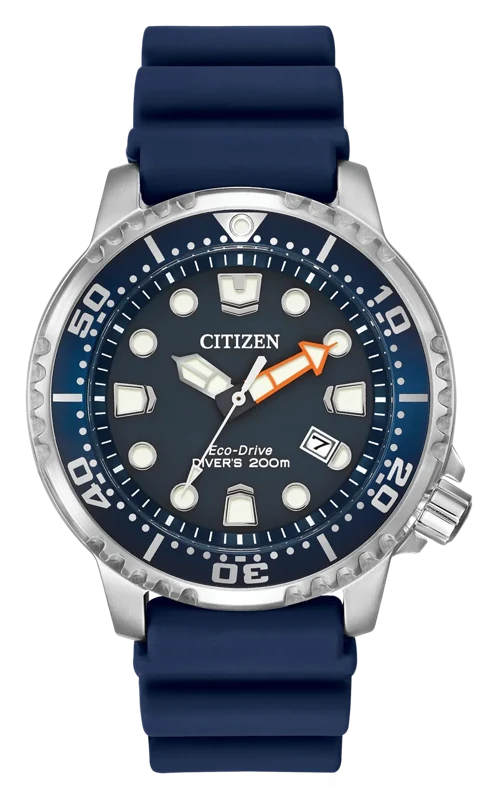 1Light-powered diverCitizen Promaster BN0151-09L
Choose it for a light-powered diver routine, but check that the broad case and polyurethane strap suit you.
View at CitizenRead our analysis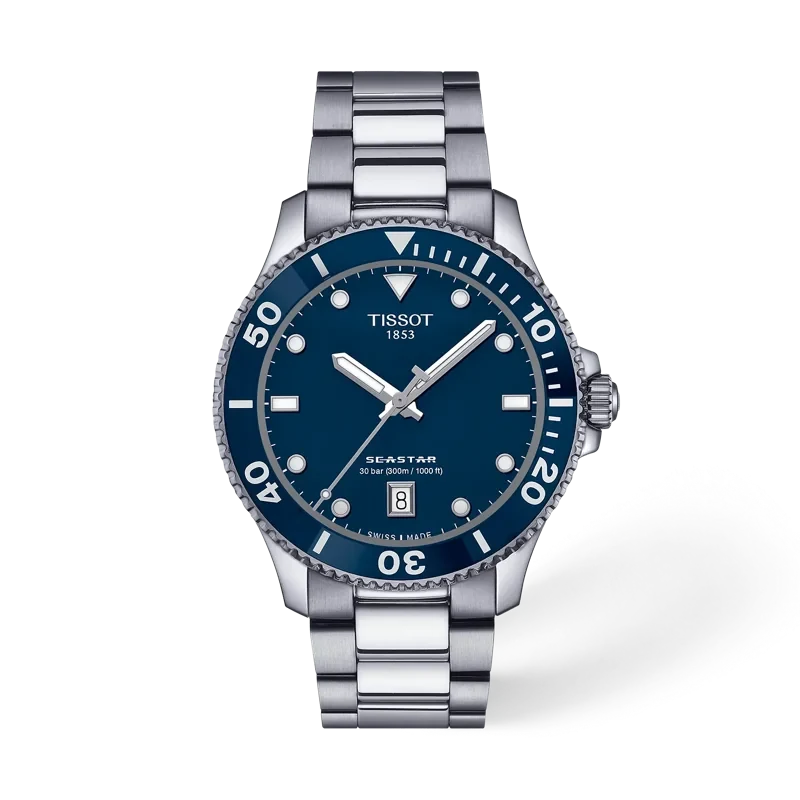 2Smaller quartz diverTissot Seastar T1204101104100
Choose it for the smaller case and battery-powered routine, while checking the complete bracelet fit and planning for battery service.
View at TissotRead our analysis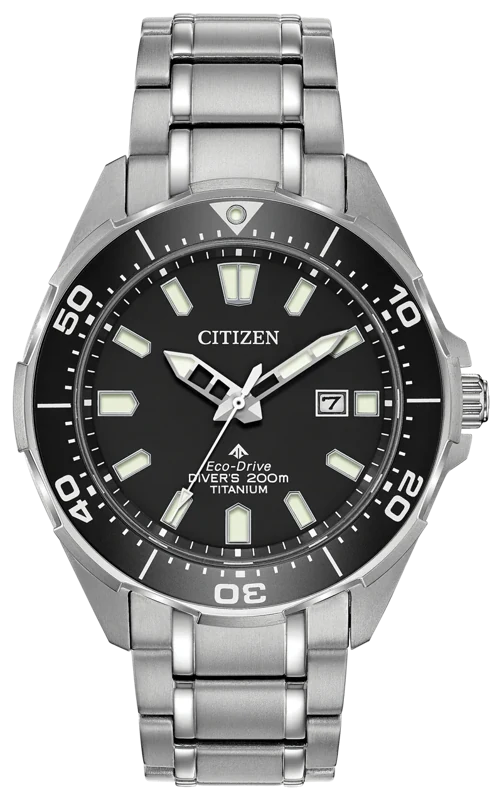 3Titanium solar diverCitizen Promaster BN0200-56E
Choose this distinct Promaster reference for its titanium case and bracelet with solar quartz power; check the broad case and clasp fit.
View at CitizenRead our analysis
Last updated 31 October 2026
The best dive watches under 1000 start with a model that has clear maker guidance for water use. You also need a case that fits and a power routine you will follow. These three picks cover a solar Citizen on a strap, a smaller quartz Seastar on steel, and a solar Citizen in titanium. No dives were made for this guide. A depth number is not your personal safe diving depth; follow the exact manual and check the state of the watch.
#1. Citizen Promaster BN0151-09L: solar quartz on a strap
Our verdict:
Light-powered diver
Choose it for a light-powered diver routine, but check that the broad case and polyurethane strap suit you.
View at CitizenKeep in mind: The 44 mm case needs a direct fit check; it comes on a polyurethane strap.
The blue BN0151 is the starting point if you want a light-powered diver with a polyurethane strap. Its Eco-Drive movement charges a rechargeable cell from light. That is a different routine from a spring-powered automatic, and it still needs care and suitable light exposure. Choose it for that routine if it matches how you will wear and store the watch.
Citizen's exact US page lists a 44 mm steel case and the E168 movement. It describes an ISO-certified 200M diver with a mineral crystal. Those facts establish the model used in this comparison. They do not provide this page with a water-test result or establish the condition of an individual watch from a seller.
The broad case is the first fitting check. Try it with the strap fastened and look at how the case ends sit across your wrist. Check the useful band holes and where the buckle rests. A strap can bend around the wrist, but it cannot make the steel case shorter. If the case is too broad for your preference, the solar routine alone is not a reason to ignore it.
The E168 manual supplies the setting and charging procedure. Follow its advice without using heat as a shortcut. Storing the watch in a closed drawer does not provide charging light. The state of charge on arrival is also not established by a maximum reserve claim. Check its operation as the manual directs before intended use.
The screw-type crown needs to be secured after setting. Learn the correct process for this reference rather than using another watch's controls as a guide. The manual places conditions on date changes and water use. A diver specification does not remove those care tasks. This selection does not replace dive training or a personal equipment plan.
The main trade-offs are the broad case and supplied strap. Choose this model if those suit you and you prefer light-powered quartz. It is a weaker match if you want a bracelet or a spring-powered movement from the start. Keep BN0151-09L with the offer so another Promaster is not mistaken for the exact watch chosen here.
#2. Tissot Seastar T1204101104100: a smaller quartz case on steel
Our verdict:
Smaller quartz diver
Choose it for the smaller case and battery-powered routine, while checking the complete bracelet fit and planning for battery service.
View at TissotKeep in mind: Case width does not prove wrist fit or cuff clearance; battery service remains an ownership task.
The blue 40 mm Seastar offers a smaller case-width option with a steel bracelet and conventional quartz power. Choose it if you want a routine without winding and prefer the bracelet arrangement. Battery service remains a future task. This is a different model brief from the broad Citizens, rather than another dial color used to extend the list.
Tissot's US model page lists a 40 mm case width and 9.97 mm thickness. It names a sapphire crystal, a quartz date movement and a folding clasp with safety lock and push-buttons. The exact code matters because Seastar includes other sizes and movements. A collection name alone cannot establish this case or power system.
Tissot lists 30 bar with a screw-down crown and describes the unidirectional bezel for timing underwater activity. This guide does not add a separate ISO certification claim. It also does not turn the pressure figure into a safe-use depth for you. Follow the exact instructions and consider the watch's condition. The higher number does not by itself settle every activity question.
The bracelet needs a fitting with the clasp fastened. Tissot's 40 mm case-length figure is not a full rigid-span measurement with the bracelet attached. Look at how the opening links curve and where the clasp sits. A smaller width can be a reason to try it, while leaving the outcome to your own wrist. No comfort test was carried out for this guide.
Super-LumiNova is documented for the hands and hour markers. That confirms the named luminous feature without a measured glow result here. The presence of luminous parts does not establish that every mark on the bezel or dial can be read in darkness. If a particular scale matters to your use, verify that exact display. Do not infer an all-night result from a bright photo.
Choose this reference for the smaller quartz-and-steel brief. It is less suited to someone who wants solar power or a soft band as the supplied arrangement. Ask a suitable service provider about battery replacement and the checks needed after the case is opened. The original rating and the present condition remain separate facts.
#3. Citizen Promaster BN0200-56E: solar quartz in titanium
Our verdict:
Titanium solar diver
Choose this distinct Promaster reference for its titanium case and bracelet with solar quartz power; check the broad case and clasp fit.
View at CitizenKeep in mind: The 44 mm case still needs a fitting, and its mineral crystal is not sapphire.
The BN0200 is the choice if titanium is part of what you want from the complete watch. It has a Super Titanium case and bracelet, unlike the steel-and-strap BN0151 above. The two watches share the E168 solar quartz movement. This pick changes the supplied material and band, not the power routine. It is a distinct reference rather than a color-only addition.
Citizen's exact US page lists a 44 mm case and a mineral crystal. It identifies the Super Titanium bracelet with a safety fold-over clasp and push-buttons. The maker describes an ISO-compliant 200M diver. Those are model specifications, not a result from a diving or wear test carried out for this guide.
The titanium label is a material fact. This comparison does not promise a measured weight saving against either other pick or a particular skin response. Try the complete watch, including the clasp, rather than assuming that a material guarantees comfort. The 44 mm case remains broad. A bracelet also changes the fitting task from the strap on the other Citizen.
Read the seller's sizing and return terms before links are removed. Check where the case ends sit and how the opening bracelet section falls around your wrist. Keep removed links if you keep the watch. A case held loosely against the wrist is not the same as a sized, fastened fitting. The clasp position deserves attention too.
The E168 manual still governs its power and setting routine. Titanium does not change how the cell is charged or remove service needs. Follow the crown instructions and check condition before intended water use. A shared movement also does not mean that straps or bracelet parts are interchangeable between the two Citizens. Verify accessories against the exact reference.
Choose the BN0200 when the titanium bracelet is what you want. It is a weaker fit if you mainly want the smallest case or a soft strap. Keep BN0200-56E with the order details. Promaster alone does not prove which case you will receive. Other watches in that group can also use a different movement or band.
How we picked the best dive watches under 1000
Each pick has clear maker guidance for its water-use role. We matched the model, then checked the maker's case and movement facts against it. The two Citizens have different cases and bands. The Seastar adds a smaller quartz case on steel. No watch was put through a dive or a timing test for this guide.
The Citizen on a strap leads for the solar-diver brief. The Seastar is the smaller quartz choice on steel. The other Citizen is the choice for titanium, with the same solar routine as the first pick. That explains the order without a test score. Start elsewhere in the list if your fit or band choice calls for it.
Factors to consider when choosing a dive watch
Distinguish the maker's activity guidance from a pressure number
A pressure rating is useful, but it does not describe every task or the watch's present state. Keep it tied to the exact manual. The two Citizen pages name ISO diver compliance. The Seastar page gives its pressure rating and describes a role for timing in water. We keep those claims separate and do not add an ISO claim where the maker does not name it.
Do not turn 200M or 300 m into a personal safe diving depth. A model specification does not establish your training or equipment needs. The purpose here is to identify the exact watch and the maker's claims about it. Use appropriate activity guidance for the actual plan. The dive-watch explanation gives the wider terms in one place.
The watch's present state matters alongside its model facts. Damage or service can leave questions that a web page cannot answer. Ask a suitable service provider what checks it needs for the use you plan. A seller repeating the original rating does not prove that this watch is now ready for water. Keep that current-state question with the model choice.
Choose the power routine for storage as well as wear
The two Citizens use light to charge a cell. The Seastar uses a conventional battery. All three are quartz choices, so none requires winding a mechanical spring. That shared fact does not give them identical storage or service routines. Read the instructions for the exact movement before deciding which one you want to own.
For solar, think about where the watch will sit between wears. A closed case or drawer does not supply charging light. Follow the maker's guidance rather than using heat or a guessed charging time. A watch that has been stored in unknown conditions has an unknown state of charge. Use the manual's checks instead of assuming it has the maximum stated reserve.
For the Seastar, plan for battery service when needed. Ask what the correct process involves and what condition checks belong with opening the case. Avoid treating the task as proof that water resistance has been renewed automatically. A fresh battery and a suitable case condition answer different questions. Keep both with the service record if you keep the watch.
Fit the whole watch rather than the quoted width
The 44 mm Citizens and the 40 mm Seastar offer a useful first size comparison. Those widths do not establish which one will feel right to you. Case length and the way a band leaves the case affect the whole shape. The closure also sits against another part of the wrist. Try each watch fastened instead of judging only the dial in a photo.
The two Citizens do not have the same supplied band, so do not treat their shared width as proof of equal fit. A polyurethane strap has holes and a buckle to assess. A bracelet has links and a clasp that need sizing. Look at where each part rests. The shape at a useful band setting is the fit you need to judge.
If you intend to wear a watch over activity clothing, make that part of the exact fitting question. Do not assume a bracelet has an extension or that a strap reaches far enough unless the exact model evidence confirms it. Ask the seller or maker about the required adjustment. The phrase dive watch is not proof of a particular band feature. Check the complete supplied arrangement.
Read the return conditions before altering a bracelet or changing a strap. A seller may treat sizing differently from a careful fitting. Keep the supplied parts while you make the decision. If a case is too broad, a new band cannot shorten it. Resolve the main fitting issue before buying extra equipment.
Check the timing display you actually plan to use
A unidirectional bezel is a named part of each design. It still needs to be readable to you for the task you plan. Look at the scale and hands from a normal viewing distance. A photo can show the layout without proving how it works in use.
Keep ordinary time reading and elapsed-time reading as separate questions. A clear hour hand does not establish that a small scale division can be read equally well. A luminous hand also does not establish that every bezel mark glows. Check which parts of the exact model are named in the maker's description. Do not extend a claim about one part to every surface.
The dive-watch use guide explains the wider control questions. Follow the exact manual for the watch rather than treating a general guide as its operating instructions. A dive watch is not a substitute for the equipment and training your activity requires. This shortlist gives no personal dive timing plan.
Keep crystal and case claims specific
The Citizen models here use mineral crystals. The selected Seastar uses sapphire. Those are confirmed materials, but this page has not performed a scratch or impact test. Do not turn sapphire into a promise that a watch cannot be damaged. The case and crown also have their own care requirements beyond the crystal label.
Likewise, titanium is the reason to consider the BN0200's material arrangement. It is not evidence that the entire watch weighs less than every steel alternative or feels better on every wrist. A bracelet and its clasp contribute to the complete experience. If weight is your deciding factor, seek the exact model's confirmed figure rather than borrowing one from another reference.
Surface treatment can also change how a crystal looks in ordinary light. A named material is not a measured reflection result. Look at the hands through the actual crystal at the angles you expect to use. The personal reading question remains relevant whether the watch is worn mainly on land or selected for a documented diver role.
Make service access part of the choice
Ask who will handle a problem with the watch you order. A retailer's return process and a maker's warranty are different routes. Read the terms for the exact seller rather than assuming every offer has the same status. Keep the purchase record and supplied instructions if you keep the watch. A familiar brand name does not answer every service question on its own.
Ask about the appropriate work when a battery, rechargeable cell or other part needs attention. This comparison promises no fixed service cost or interval. The needed work depends on the watch and its condition. A solar label does not establish a lifetime with no service, just as conventional quartz does not mean a case can be opened without further checks. Keep the actual service guidance with the reference.
If a watch is damaged or has an uncertain service history, seek suitable advice before intended water use. A listing's original pressure figure cannot assess that individual example. Avoid trying to solve a seal or crown concern by relying on a general online specification. The useful question is what checks this watch now needs. That answer comes from an appropriate provider with the exact watch and intended use in view.
Choose between the strap, steel and titanium arrangements
Start with the supplied band you want
If you already know you want polyurethane, begin with the BN0151 and assess its broad case. It is the direct strap choice in this group. Do not buy one of the bracelet models assuming any strap will fit. Attachment details and the correct parts need confirmation against the exact reference. A material change should be a verified plan rather than a guess that makes the first purchase appear to fit.
If you want a steel bracelet with a smaller quoted case width, begin with the Seastar. Try the clasp and the opening links as well as the case. If the full shape does not suit you, the smaller width alone is not enough reason to choose it. Keep the power preference separate from that fitting result. Another exact model may meet the same quartz brief with a different shape.
If titanium is essential to the choice, begin with the BN0200. Check the whole bracelet arrangement rather than assuming it behaves like the strap on the BN0151. The shared movement makes the power routine familiar across those two choices. It does not make the cases or parts interchangeable. Ask about accessories by full reference before buying them.
Do not let a pressure ranking replace the choice
The Seastar's stated 30-bar figure and the Citizens' 200M descriptions are facts to keep with their manuals. They are not a complete ranking of how suitable each watch is for you. A case that does not fit or a band you do not want remains a poor match to your brief. The activity question still needs the exact guidance and current condition. Keep those decisions together rather than choosing only the largest number.
The same applies to a certification statement. Preserve what the maker actually says, then assess the watch you receive. This guide uses Citizen's ISO descriptions for the two named references and does not add that label to the Seastar. A general diver category should not blur those source statements. Ask for clarification when a claim is important and the exact listing is unclear.
Before ordering, settle the exact model and fitting terms
Keep the full maker code beside the choice you made. The strap Citizen is BN0151-09L. The blue quartz Seastar is T1204101104100. The titanium Citizen is BN0200-56E.
If a seller's title and photo appear to show different versions, ask which watch will arrive. A shared family name is not enough to settle that question. The case and band should match the code you chose. Resolve a mismatch before planning a fitting or buying parts.
Check the supplied band and clasp against the model you chose. Do not assume that a seller includes an extra strap because one appears in a different retailer's photo. Ask about the exact parts in the order. If the watch is already sized, find out which removed links or other parts will come with it. The complete watch is the thing you are comparing.
Read what the seller allows during a fitting. If trying the watch fastened is part of your plan, know the return conditions before changing links or making marks. Ask who will size a bracelet and what happens if the case does not fit. A fitting plan is useful even when the quoted width seems right. It lets you assess the whole shape without guessing the next step.
Keep warranty questions separate from return terms. Ask who handles a fault and what documents they need. A maker's policy does not prove every seller has the same status or process. Keep the order record with the supplied instructions if you keep the watch. The model code helps make a later service question clear.
If your brief calls for an automatic
All three picks here use quartz power. Two use light to charge a cell, while the Seastar uses a conventional battery. If you want a spring-powered movement, that is a different brief from this group. Do not choose one of these merely because it appears in a ranked list. Keep the movement you actually want with the water-use and fitting questions.
An automatic label would not by itself prove a diver role. Nor would it settle the state of a watch after service. Apply the same exact-model check when you assess another choice. Start with its maker guidance and manual, then fit the whole case and band. A power preference is one input to the choice, rather than proof of every other feature.
Our automatic-watch guide explains the terms if you want to take that route. It is useful to learn the routine before choosing an exact diver model. You can then compare watches that meet the movement brief without assuming that any automatic is a substitute for a documented diver. Keep the role and routine together as you search.
A first-use check for the watch you receive
Match the watch and supplied band to the order before making changes. Read its instructions and learn the crown procedure. Then check the time and any date display using those instructions. If something is unclear, ask a specific question about that model. Do not try a control from memory of a different watch if the procedure is not confirmed.
For a solar Citizen, follow the E168 charging checks. Do not assume a watch that has just arrived has a full charge. For the Seastar, use the quartz manual and its battery guidance. In both cases, movement operation is a separate check from the state needed for intended water use. A watch running on arrival does not establish every part of that condition.
If you notice a damaged part or a crown that does not operate as directed, seek suitable advice before water use. A general product page cannot inspect the individual watch. Keep your description of the concern precise so the maker or service provider can answer it. The result may be a fitting question, a control question or a service issue. It need not become an unsupported claim about the whole model.
The use guide can help you identify the questions to ask. It does not replace the exact manual. Keep the watch's instructions available after purchase, along with the record of any work done. Good model notes are more useful than relying on a collection name when a specific care issue arises.
Verdict on the best dive watches under 1000
The best dive watches under 1000 here suit three clear preferences. Start with the Citizen BN0151-09L for solar power on a polyurethane strap if its broad case fits. Try the 40 mm quartz Seastar if you want a smaller steel-bracelet choice. Choose the Citizen BN0200-56E if the titanium case and bracelet are the main appeal.
Keep each maker's water-use statement tied to the exact watch and manual. Fit the full case and band, then plan for the power and service routine. The right choice is the watch that meets your actual use with sound evidence, rather than the one that wins a ranking of pressure numbers alone.
Our picks in this topic

3 picks
3 Best Dive Watches Under 500: Solar References in 2026
Compare three exact Citizen solar divers: a 44 mm blue strap watch, a compact 36.5 mm design and a 45 mm steel-bracelet model, with fit and care limits.

3 picks
3 Best Luminous Watches by Case and Power Routine in 2026
Compare a solar Citizen diver, automatic Murph and quartz Seastar using documented luminous features, without invented brightness or glow-duration results.