
3 Best Luminous Watches by Case and Power Routine in 2026

On this page8
- #1. Citizen Promaster BN0151-09L: solar power and a diver role
- #2. Hamilton Murph H70405730: a smaller automatic on leather
- #3. Tissot Seastar T1204101104100: quartz and a steel bracelet
- How we picked the best luminous watches
- Factors to consider when choosing a luminous watch
- Compare evidence without inventing a glow score
- Check the exact offer before choosing
- Verdict on the best luminous watches
Our top 3 picks
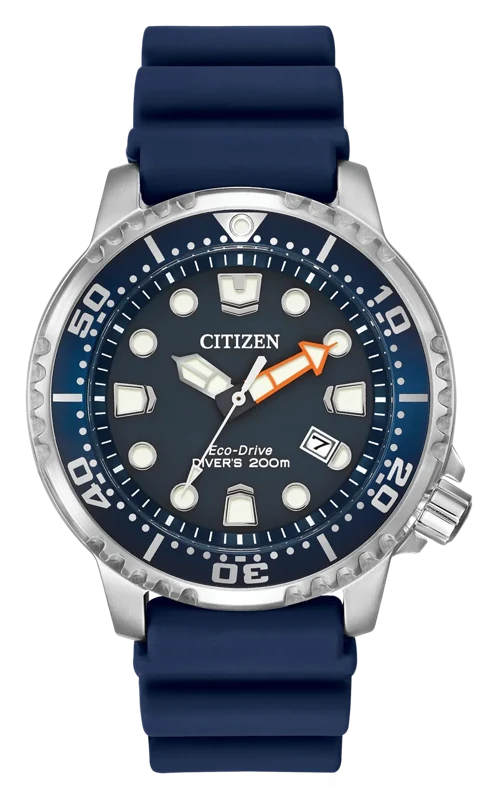 1Light-powered diverCitizen Promaster BN0151-09L
Choose it for a light-powered diver routine, but check that the broad case and polyurethane strap suit you.
View at CitizenRead our analysis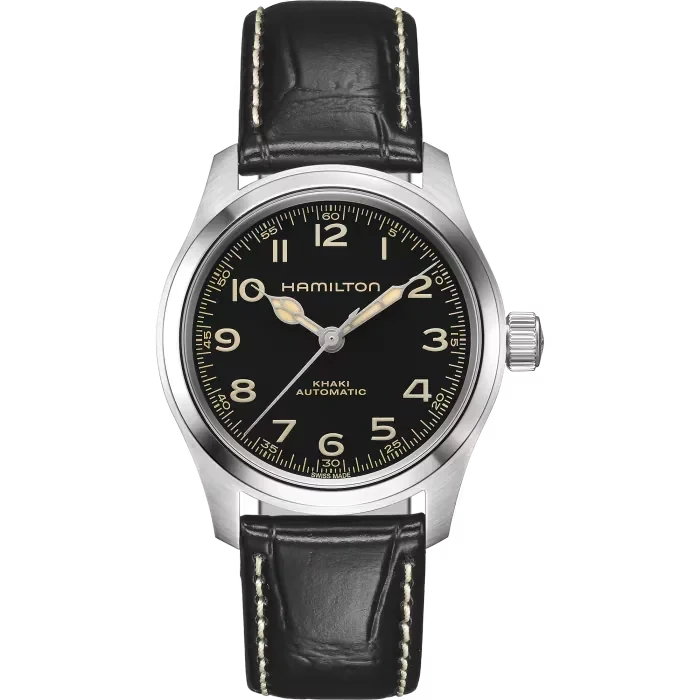 2Compact automaticHamilton Murph H70405730
The smaller Murph suits an automatic-watch buyer who accepts a setting routine and a leather band that needs care around water.
View at HamiltonRead our analysis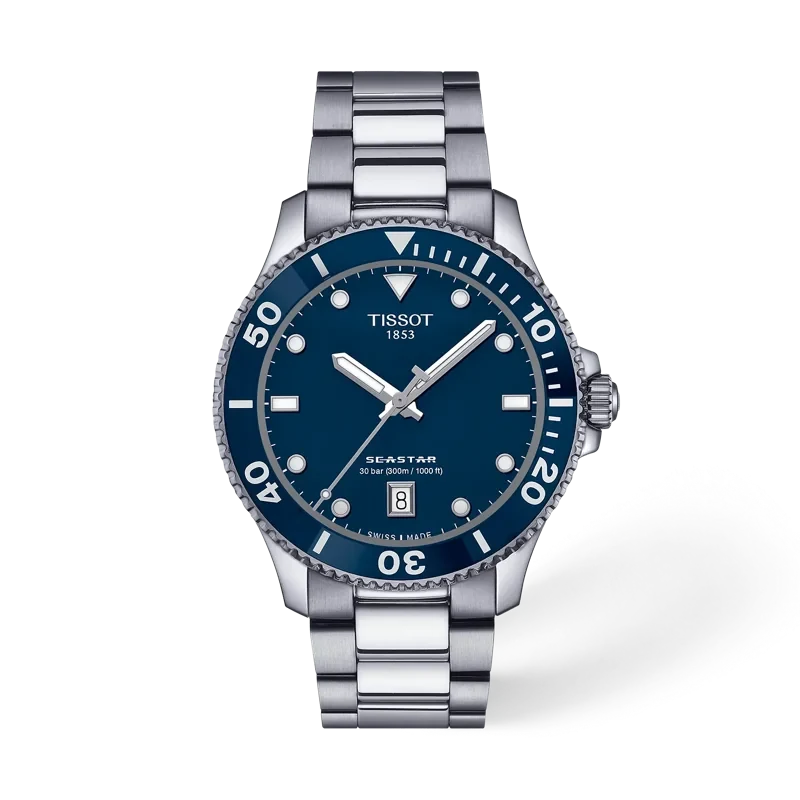 3Smaller quartz diverTissot Seastar T1204101104100
Choose it for the smaller case and battery-powered routine, while checking the complete bracelet fit and planning for battery service.
View at TissotRead our analysis
Last updated 31 October 2026
The best luminous watches for you need more than a bright photo. First check that the maker names a glow feature on the exact model. Then choose the case and power routine you want. These three watches cover solar quartz, an automatic on leather and quartz on steel. No glow test was run for this guide, so the order follows those uses rather than a measured brightness score.
#1. Citizen Promaster BN0151-09L: solar power and a diver role
Our verdict:
Light-powered diver
Choose it for a light-powered diver routine, but check that the broad case and polyurethane strap suit you.
View at CitizenKeep in mind: The 44 mm case needs a direct fit check; it comes on a polyurethane strap.
The blue Citizen is the starting point if you want a light-powered diver on a polyurethane strap. Its maker documents luminous hands and markers. That establishes the feature on this reference without giving this guide a measured nighttime result. Choose it for the whole solar-diver brief if that suits your use. Do not buy it on a promise that its glow will remain readable to every person through a particular night.
Citizen's exact US model page lists the E168 Eco-Drive movement, a 44 mm steel case and a mineral crystal. The solar quartz movement stores energy in a rechargeable cell. That power system is separate from the question of how the luminous display looks in darkness. A running movement does not establish how bright its marks appear.
The broad case is the first trade-off to check. A large dial in a seller photo does not prove that the watch will fit your wrist or be easier for you to read. Try the complete watch with the strap fastened. Check the case ends and the useful band positions. If the steel case feels too broad, the soft strap does not shorten it.
Citizen describes this model as an ISO-certified 200M diver. Follow the E168 manual, including the crown and charging guidance, and check the condition of the watch before intended water use. A low-light feature does not replace those instructions. No dive or underwater-reading test was performed for this selection.
The reason to choose it is the combination of this documented diver design, solar routine and supplied strap. The limitations are the broad case and the need to manage light exposure and care. Keep BN0151-09L with your notes. Promaster includes other cases and movements, so the shared name alone cannot establish the watch in an offer.
#2. Hamilton Murph H70405730: a smaller automatic on leather
Our verdict:
Compact automatic
The smaller Murph suits an automatic-watch buyer who accepts a setting routine and a leather band that needs care around water.
View at HamiltonKeep in mind: The movement can stop after a long rest; the leather strap needs its own care.
The 38 mm Murph offers a field-style alternative if you want an automatic and a leather band. Hamilton names Super-LumiNova for this reference. That is evidence of the material used, not a brightness score from this guide. Choose this watch when its smaller case and spring-powered routine are the features you want alongside that documented luminous treatment.
Hamilton's US reference page lists a 38 mm case with 11.1 mm thickness, a sapphire crystal and the H-10 movement. It states an 80-hour reserve. Treat that reserve as a maker specification for the movement. It does not tell you how long the luminous marks remain readable, and it is not a measured run time from the watch you receive.
The automatic movement can stop after a long rest. Learn its exact starting and setting routine before relying on the display. A luminous watch that is showing the wrong time is not made more useful by a brighter-looking dial. The movement's operation and the visibility of the hands are separate checks. Keep both in the ownership plan.
The leather strap is another difference from the two diver choices. Hamilton's 10-bar case specification does not describe the leather's care needs or provide a diver role for this watch. Choose it for ordinary field-style wear if that is your brief. If underwater use is the main purpose, start with the exact guidance for that activity rather than inferring it from lume.
Try the smaller case with the band fastened and your wrist bent normally. A 38 mm width is not a promise that every wrist or sleeve will suit it. The trade-off here is an automatic routine and leather care, in exchange for the design you want. Confirm H70405730 so a larger Murph or another Khaki Field is not substituted in the comparison.
#3. Tissot Seastar T1204101104100: quartz and a steel bracelet
Our verdict:
Smaller quartz diver
Choose it for the smaller case and battery-powered routine, while checking the complete bracelet fit and planning for battery service.
View at TissotKeep in mind: Case width does not prove wrist fit or cuff clearance; battery service remains an ownership task.
The Seastar is the choice if you want a 40 mm steel-bracelet watch with conventional quartz power. Tissot documents Super-LumiNova on its hands and hour markers. The maker also describes the unidirectional bezel for underwater timing. These are specific features of this blue-dial reference. They do not provide a comparative glow result against the Citizen or Hamilton.
Tissot's exact US model page lists 40 mm case width and 9.97 mm thickness. It gives a sapphire crystal and a folding clasp with safety lock and push-buttons. The quartz date movement avoids winding. Battery replacement still belongs in the service plan. Ask an appropriate provider about the checks needed after the case is opened.
Tissot lists 30 bar with a screw-down crown for this model. This page does not add a separate ISO certification claim. A higher pressure number also does not establish a brighter luminous display. Water guidance and low-light visibility answer different questions. Follow the exact instructions and account for the condition of the watch.
The full bracelet fit needs its own check. Tissot's 40 mm case-length figure is not a measurement of the complete rigid reach with the bracelet attached. Try the watch fastened and assess the clasp as well as the case. A narrower case than the Citizen does not prove that every part will fit more comfortably. The shape you wear is the complete assembly.
Choose this Seastar if the combination of quartz power and steel bracelet is the aim. It is less suited to someone who wants a soft band or an automatic routine from the start. Confirm the full reference before comparing another Seastar. The collection contains other sizes and movements, which should be treated as different watch choices.
How we picked the best luminous watches
Each pick has a glow feature named by its maker. We matched the exact model, then checked the case and power system against the supplied band. The result covers a solar diver on a strap, a smaller automatic on leather, and a quartz Seastar on steel.
The order follows those uses. Start with the Citizen if you want the solar diver. Try the Murph for its smaller case and leather band. The Seastar is the choice for quartz on steel. Change the order if your brief calls for a different case or power source; no brightness score sits behind it.
Factors to consider when choosing a luminous watch
Separate the light feature from the movement's power
A luminous treatment and the power source for the movement are different parts of a watch. Tissot describes Super-LumiNova as taking in light for use in the dark. That does not mean the Seastar's quartz movement is solar powered. Its movement uses a battery. The Citizen, by contrast, uses light to charge the cell that powers its movement.
The Murph uses a spring-powered movement alongside its documented Super-LumiNova. Its stated movement reserve describes stored mechanical energy, not glow duration. Keep those terms separate when reading an offer. A page that mentions a long reserve is not providing the missing answer about how long you will see its hands in darkness.
Button-operated lighting is another system again. It can suit a buyer who wants to switch a light on when needed. These three recommendations are not ranked against that control method, and the list does not claim that luminous paint is always preferable. Decide whether you want to operate a light or rely on a documented luminous treatment before choosing among cases.
Ask what a bright photograph actually shows
A photo can show where the glowing parts are and what color they appear. It does not show what your own eyes will see. The camera settings and prior light can change the result, as can the time the photo was taken. Two bright images with no such details do not prove which watch is brighter.
Look for a description of the exact reference rather than a general family claim. A model can change hands or markers within a collection. Do not assume a photo of one dial proves the treatment on a different color or size. Keep the full code beside any evidence you use, just as you would for a case dimension or movement.
If a seller shows the watch glowing, ask how that view was made. A photo taken soon after light exposure does not prove how the hands look much later. One image cannot show a whole night's result. Ask for the missing details if that later reading is the reason you want the watch.
Choose the reading task you need
Checking the time briefly at home is a different brief from using a timing scale during a specific activity. Decide whether you need to distinguish the hands, read minute marks, or follow an elapsed-time scale. A general claim that a watch glows does not establish all of those tasks. The parts of the display that matter should be clear in your own brief.
For the two diver choices, keep the exact manual and your activity requirements in view. The presence of a rotating bezel does not make every scale mark visible in darkness. This guide does not claim that all markings on any pick are luminous. Verify the exact display you need instead of turning one documented feature into a claim about the whole dial and bezel.
For the Murph, the choice is the field-style watch with its leather and automatic routine. It may be the design you prefer for ordinary daily wear. That preference does not require a claim that it is brighter than a diver or suitable for diving. The right role can be narrow and still be useful.
Check the dial in ordinary light as well
Do not skip the time display you will use in daylight. Hand shape and contrast against the dial deserve a look at a normal reading distance. A glowing photo can draw attention away from those parts of the choice. If the watch is mainly for daily wear, its unlit display remains part of the task. This page provides no measured contrast rating.
Try to see the full watch rather than a dial enlarged to fill a screen. A small date window can look easy to read in a close-up and quite different on the wrist. Reflections from the crystal can also vary with angle and setting. A fitting can answer personal reading questions that a specification sheet cannot settle.
No crystal type removes the need for that check. Sapphire and mineral are named materials here, not proof of identical reflections or a guarantee of scratch-free use. The exact surface treatment and the way you view the watch belong to the real fitting. Choose a display you can read comfortably in the conditions that matter to you.
Keep the band and case in the decision
A luminous feature does not shorten a case or change the material against your wrist. The Citizen's broad case, the Murph's leather and the Seastar's bracelet remain different choices even if you like all three dial layouts. Choose the complete watch you want to wear. A feature that matters after dark should not make you ignore a fit problem throughout the day.
The PRX-style question of rigid bracelet reach also matters to the Seastar as a fitting principle, though its exact construction is different. Do not borrow a measured span from another watch. Check this bracelet with the clasp fastened. For the Citizen, assess the useful strap holes and buckle position. The quoted case width does not describe those parts of the fit.
The Murph's smaller width is worth trying if that is what your wrist needs. It does not make its leather band suitable for every water activity. Follow the band care guidance alongside the case instructions. The luminous material is an additional feature of this watch, not a reason to erase its ordinary care limits.
Compare evidence without inventing a glow score
Keep the conditions attached to a demonstration
If reading the time in darkness is essential, look for a clear account of what was shown. It should name the exact watch and say what light it received first. It should also say when the image was taken after that light. With those facts, you can judge how much the image tells you about your own use.
Even a clear account has limits. It shows one watch under the stated light and camera setup. It does not prove that every wearer will see the same thing. Check whether the scene is close to your own use. One report cannot promise that you will read the time through a whole night.
This guide has no test that compares the three picks under the same light and camera setup. We therefore give no first place for starting brightness or later glow. If another page claims to have run that test, read how it was done. The method should answer the same question as the result it claims.
Distinguish an initial glow from a later reading
A display seen soon after light exposure answers a different question from one seen after a long period in darkness. If you need the later reading, ask for evidence about that point. A very bright starting photo cannot supply it by itself. No fixed waiting time is recommended here as a universal test for every watch and reader.
Check which information you can identify in an observation. Seeing a bright area is not the same task as reading the hands and telling them apart. Reading the hour is also different from making out a small scale division. Decide what your own use needs, then seek evidence for that task rather than a general description of glow.
If a display does not meet an essential requirement, reconsider the lighting system as well as the model. A button-operated light may be a more suitable route for someone who wants to trigger a reading. That is a change of brief, not a claim that any of these luminous treatments is defective. Choose the system for the task before comparing its style.
Avoid copying a material claim across a family
The maker names Super-LumiNova for this Murph and Seastar. Citizen names luminous hands and markers for this BN0151. We do not add a grade or formula the maker has not confirmed. A shared name alone would not prove that two watches use the same amount or glow in the same way.
The same restraint applies to photographs of other colors. A bright dial version in a collection does not prove that another reference has the same treatment over the whole face. Match the model code and display details. If a seller cannot identify the version, resolve that question before treating a family-level feature as confirmed for the offer.
Keep catalog descriptions and maker specifications separate when they conflict. A short feature label can group more than one model. The exact current maker page is the stronger basis for the model facts used here. An unresolved detail should remain a question, rather than being filled with a plausible feature from another watch.
Check the exact offer before choosing
Keep the full codes with the watch you chose. BN0151-09L is the blue Citizen on polyurethane. H70405730 is the smaller Murph on leather. T1204101104100 is the blue 40 mm quartz Seastar on steel.
A collection name alone does not prove that match. Ask which model and band will arrive if the listing mixes versions. Do not use a picture of another size as proof of this watch's case or dial. A clear model match comes before judging its features.
Read the return terms before removing bracelet links or changing a band. If you cannot assess an essential reading requirement before buying, make sure you understand what the seller allows during a fitting. Do not assume every seller gives the same trial conditions. A manufacturer's general policy does not establish the terms of a different retailer.
Ask who handles warranty or service questions for the exact offer. Keep the purchase record and supplied instructions together if you keep the watch. No fixed service cost or interval is promised by this selection. The route for a concern should be clear without relying on a broad brand name as proof of a particular seller's status.
For more on the distinction between a pressure rating and a diver role, read what makes a dive watch. Use that explanation for the water-use question. The purpose of this page is the documented luminous feature and the choice of a complete watch around it. One feature does not answer every other ownership question.
Verdict on the best luminous watches
The best luminous watches here suit three clear uses. Start with the Citizen BN0151-09L for a solar diver on a strap if its broad case fits. Try the smaller Murph if you want an automatic on leather. The 40 mm quartz Seastar is the steel-bracelet choice. Each maker names the glow feature on the exact model.
There is no measured brightness winner or promise of all-night glow. Decide which parts of the display you need to read, then ask for evidence of that task. Choose the whole watch for its fit and power routine as well. A bright photo is a starting point for a question, not the answer to every use after dark.